


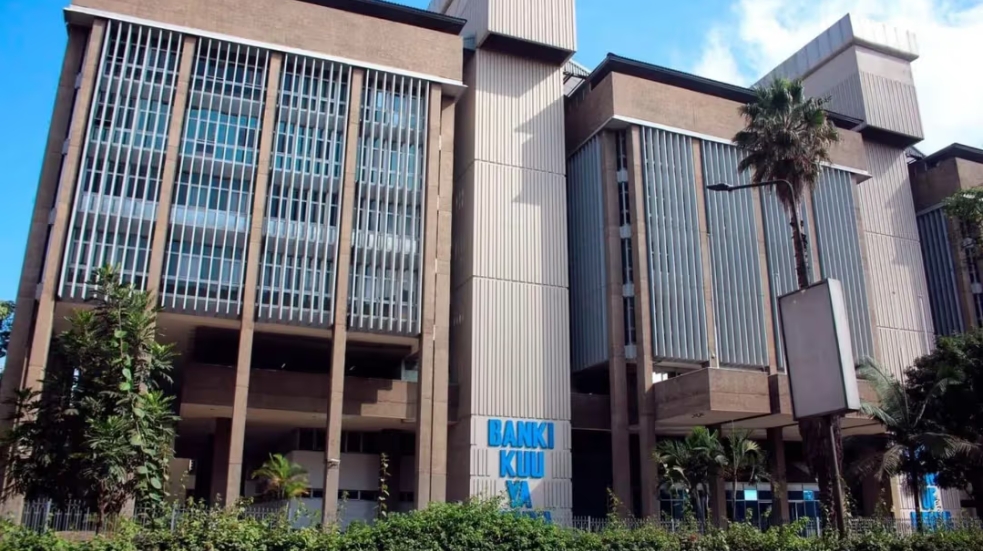

Ahead of the Monetary Policy Committee meeting on Wednesday, April 8, 2026, Kenyan banks are calling on the Central Bank of Kenya to keep the benchmark rate at 8.75 per cent. They cite rising global risks that could push inflation higher and put pressure on the shilling.
The Kenya Bankers Association (KBA) Centre for Research on Financial Markets and Policy warns that external factors such as higher oil prices and geopolitical tensions may threaten recent economic gains. While Kenya’s recovery remains steady, private sector activity shows signs of slowing. Conflicts in the Gulf and Ukraine continue to affect trade, investor confidence, and overall economic performance.
Read More: Alcohol Industry Protests Nema Fees, Citing Sh32bn Cost Burden
Inflation Trends and Outlook
Headline inflation rose to 4.4 per cent in March from 4.3 per cent in February, mainly due to higher non-core inflation, which increased from 10.1 per cent to 10.8 per cent. This rise was driven by food, transport, and non-alcoholic beverage prices. Core inflation stayed steady at 2.1 per cent.
Despite high food prices, favorable weather conditions in key agricultural regions are expected to maintain supply and moderate typical price rises during the first half of the year.
Recent reductions in the Central Bank Rate have helped lower short-term interest rates and support lending. However, structural inefficiencies in the financial system mean these benefits are gradually reaching businesses and households.
Economic Growth and Private Sector Activity
Kenya’s real GDP grew by 4.9 per cent in the third quarter of 2025, up from 4.2 per cent the previous year. However, recent indicators point to a slowdown. The Purchasing Managers’ Index dropped to 50.4 in February 2026 from 51.9 in January, reflecting weaker private sector growth.
While construction and services sectors expanded, agriculture and manufacturing contracted. Overall output growth was almost stagnant, though sales and employment showed slight increases.
Credit Market Developments
Monetary easing, including a 25 basis point reduction in the Central Bank Rate to 8.75 per cent in February 2026, has supported credit market activity. Short-term rates, including interbank and Treasury bills, have declined, and average lending rates fell to 14.8 per cent in January 2026.
Private sector credit growth has improved but remains fragile. Credit moved from a contraction of 2.85 per cent in January 2025 to 6.3 per cent in November 2025, eased slightly to 5.9 per cent in December, and rose to 6.4 per cent in January 2026. Banks are cautious due to high lending risks and non-performing loans. The gross non-performing loan ratio fell to 15.5 per cent in January 2026, down from 17.6 per cent in August 2025.
Exchange Rate and External Pressures
The shilling faces risks from a widening trade deficit and possible disruptions to diaspora remittances, especially from the Middle East. Imports are outpacing exports, increasing demand for foreign currency.
Global commodity prices, particularly Murban crude oil, have surged from $63 per barrel in December 2025 to $97.99 by March 26, 2026, following supply disruptions at the Strait of Hormuz. Global supply chains are also under pressure, potentially affecting domestic prices.
The Centre warns that near- and medium-term inflation could rise further due to energy costs, shipping charges, and trade disruptions. Geopolitical tensions and trade imbalances may intensify depreciation pressures on the shilling. Disruptions in remittances and tea exports to Gulf countries could impact foreign earnings.
Policy Implications
As the Central Bank’s Monetary Policy Committee meets on April 8, five factors will guide the decision on whether to adjust or maintain the policy rate: inflation risks, slowing economic momentum, monetary policy transmission challenges, fragile credit growth, and exchange rate pressures. Banks are recommending caution, stressing the importance of keeping the current rate in the face of global uncertainty.